Making decisions about a loved one’s future is never easy. Many families struggle with recognizing the tipping point between needing a little help and requiring specialized, round-the-clock support.
If you are wondering how to know when it’s time for memory care, you are not alone. This guide will help you identify the critical signs that indicate a higher level of care is necessary for your loved one’s safety and well-being.
Changes in Physical Health and Safety
When cognitive decline begins to impact physical safety, it is a clear warning sign. You might notice unexplained bruises, frequent falls, or a sudden decline in personal hygiene. Managing these risks at home often becomes overwhelming for family members.
In some cases, starting with
Escalating Behavioral and Cognitive Symptoms
Dementia and Alzheimer’s disease progress differently for everyone. However, drastic behavioral shifts strongly indicate that advanced support is needed. Watch for these specific red flags:
-
Increased agitation, restlessness, or sudden emotional outbursts.
-
Uncharacteristic aggression or anger directed toward family members or friends.
-
Severe paranoia, hallucinations, or delusions that were never present before.
These symptoms require trained professionals who understand disease progression. Facilities offering specialized

Caregiver Burnout is a Crucial Indicator
It is vital to monitor your own well-being as a caregiver.
Caring for someone with memory loss is a demanding, 24/7 job that can quickly drain your physical and emotional reserves. Are you experiencing chronic exhaustion, anxiety, or depression?
When your health begins to suffer, your ability to provide safe care diminishes.
Recognizing your own caregiver burnout is often the most important step in realizing how to know when it’s time for memory care.

The Home Environment Becomes Unsafe
The familiar surroundings of home can suddenly become a landscape of hidden dangers. Leaving the stove on, forgetting to lock doors, or mismanaging daily medications are serious warning signs that cannot be ignored.
Wandering away from home, also known as elopement, is incredibly dangerous. Specialized

Isolation and Lack of Social Engagement
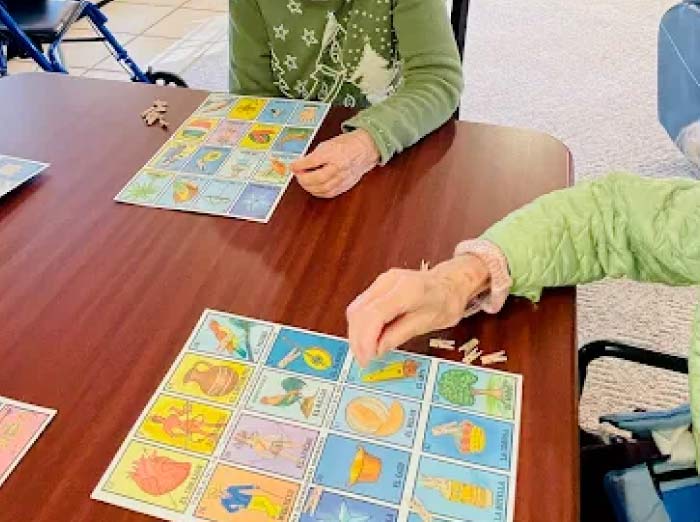
Seniors with memory impairments often withdraw from social activities. They might feel embarrassed by their confusion or simply lack the drive to interact. This isolation can rapidly accelerate cognitive decline and lead to severe depression.
A dedicated memory community provides structured social engagement. From music therapy to art classes, these activities stimulate the brain. According to the

Finding the Right Support with Glory Days
Transitioning a loved one is a profound step, but you do not have to navigate it alone. At Glory Days Memory Care Assisted Living, we are dedicated to providing a compassionate, secure, and engaging environment for your family.
Our highly trained team specializes in
FAQ’s
What is the difference between assisted living and memory care?
Assisted living provides help with daily activities like bathing and medication management. Memory care includes those services but adds 24/7 specialized supervision, secure environments to prevent wandering, and cognitive therapies designed specifically for dementia patients.
How do I talk to my parent about moving to memory care?
Approach the conversation with empathy and patience. Focus on the benefits, such as social activities and safety, rather than their limitations. It often helps to involve a trusted doctor or social worker to mediate the discussion.
Does Medicare cover the cost of memory care?
Medicare typically does not cover the room and board costs of long-term custodial care. However, it may cover specific medical services, doctor visits, and prescription medications required by the resident while they are living in the facility.
What should I look for when touring a memory care community?
Pay attention to the staff-to-resident ratio, the cleanliness of the facility, and the security measures in place. Observe if the staff interacts warmly with residents and ask to review their daily schedule of cognitive activities.
Can memory care actually improve a patient's condition?
While there is no cure for progressive dementias, a structured memory care environment can significantly improve a person’s quality of life. Consistent routines, proper nutrition, and social engagement often reduce anxiety and can help slow cognitive decline.